
rectangle vanity mirror with lights
How to Change the Main Water Valve Changing the main water valve in your home is an important task that can prevent potential water-related issues. Whether you are replacing a malfunctioning valve or simply upgrading to a more efficient model, the process can be straightforward with the right tools and guidance. Here’s a step-by-step guide on how to change the main water valve. Step 1 Gather Your Materials Before starting the replacement process, make sure you have all the necessary materials. You will need - A new main water valve (make sure it matches your existing one) - Pipe wrenches - Adjustable wrench - Teflon tape - A bucket or towel to catch any water - Safety goggles Step 2 Locate the Main Water Valve The main water valve is usually located near where the water line enters your home. It can be found in a basement, crawl space, or outside near the foundation. Identify which valve you need to replace by testing its functionality; turn it to see if it properly shuts off the water supply. Step 3 Shut Off the Water Supply Before you proceed with changing the valve, it is crucial to turn off the water supply to your home. This can usually be done by finding the main shut-off valve, which may be located close to where the water line enters your house. Once you have turned off the water, open a few faucets to relieve any remaining pressure in the pipes. Step 4 Drain the Pipes Once the water is turned off, it is advisable to drain the remaining water from the pipes. This can be done by opening fixtures in your home and letting them run until the water stops flowing. Using a bucket or a towel can help catch any residual water that may spill out during the valve change. how to change main water valve Step 5 Remove the Old Valve Using a pipe wrench, carefully loosen the nuts connecting the old valve to the pipes. Keep in mind that there may still be some residual water, so be prepared for a little spillage. Once you have loosened the connections, remove the old valve from the water line. Step 6 Install the New Valve Take your new valve and wrap Teflon tape around the threaded ends to ensure a watertight seal. Attach the new valve to the pipes, tightening the connections carefully with the pipe wrench. Avoid over-tightening, as this may damage the threads. Step 7 Test for Leaks With your new valve installed, it’s time to turn the water supply back on. Slowly open the main shut-off valve and check for leaks around the new valve. If you see any dripping, tighten the connections slightly until they stop leaking. Step 8 Clean Up After confirming that everything is working properly and there are no leaks, clean up your workspace. Dispose of the old valve and any towels or buckets used to catch spillage. Conclusion Changing the main water valve may seem daunting, but with careful preparation and attention to detail, it’s a task that many homeowners can tackle themselves. Always remember to prioritize safety and take your time to ensure everything is done correctly. If at any point you feel uncertain, don’t hesitate to consult a professional plumber. By following these steps, you can secure a reliable water supply for your home and avoid future plumbing issues.
about
rectangle vanity mirror with lights
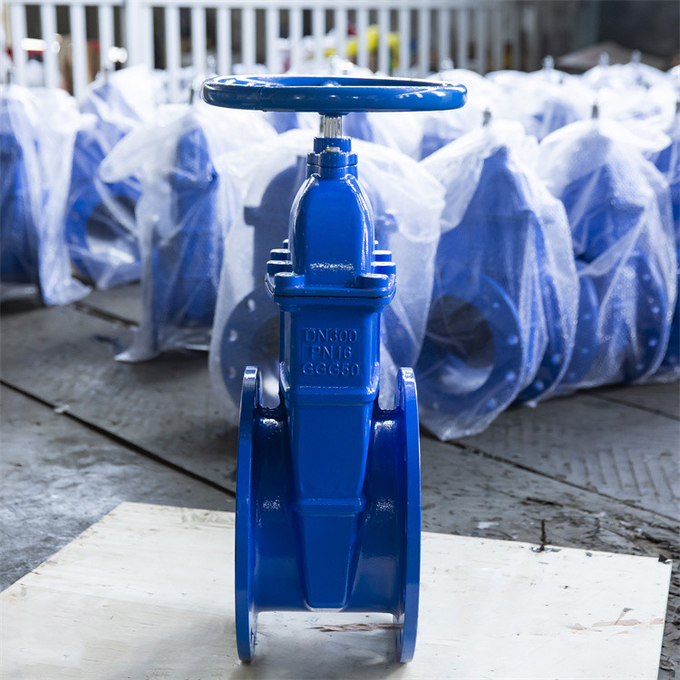
Understanding the Main Water Supply Valve A Crucial Component for Homeowners The main water supply valve is an essential component of any plumbing system, serving as the primary control point for the flow of water into a home. This valve is fundamental not just for managing water supply, but also for ensuring the safety and efficiency of your plumbing system. Understanding where it is located, how to operate it, and why it is important can empower homeowners to take better control of their water usage and respond effectively in emergencies. Location and Identification Typically, the main water supply valve can be found near where the water line enters your home. This is often located in the basement, crawl space, or on an exterior wall, depending on the design of the house and regional plumbing codes. It is usually positioned close to the foundation and might be encased in a box or compartment. The valve will generally be a round wheel or a lever. Identifying the main valve in your home is crucial, as knowing its location allows for quick action in case of a plumbing issue. Functionality and Operation The primary function of the main water supply valve is to control the flow of water into your home . In the event of a plumbing leak, burst pipe, or other water-related emergencies, being able to quickly turn off this valve can minimize damage and water waste. When operating the valve, it is important to turn it clockwise to close and counterclockwise to open it. Regularly testing the valve to ensure it operates smoothly is a good practice, as valves can sometimes become stuck or corroded over time. main water supply valve Importance in Emergencies Understanding the main water supply valve’s role is particularly important during emergencies. For instance, if you notice water pooling on your floor or discolored water from your taps, being able to swiftly shut off the main supply can prevent extensive damage to your property. Furthermore, in areas prone to freezing temperatures, shutting off the main valve can help prevent pipes from freezing and bursting. Maintenance Tips Maintaining your main water supply valve is simple yet vital. Regularly inspect the valve for signs of corrosion or wear. If the valve is difficult to operate or if you notice leaks around it, consider contacting a plumber for inspection and possible replacement. Additionally, ensure the area around the valve is clear and accessible to facilitate any needed maintenance. Conclusion In summary, the main water supply valve is a small but mighty part of your home’s plumbing system. Understanding its location, how to operate it, and the importance it holds in emergency situations equips homeowners to take proactive measures in maintaining their water supply. By regularly checking the valve and knowing how to quickly shut it off when necessary, you can help protect your home from potential water damage and ensure a well-functioning plumbing system. As with any critical home feature, awareness and maintenance are key to safeguarding your property and enhancing your overall water management.
-

High quality industrial productsagement

High quality industrial products
View Details -

Meet the diverse needs of customers

Meet the diverse needs of customers
View Details -

Strict quality control

Strict quality control
View Details -

Top raw materials

Top raw materials
View Details -

Trusted supplier

Trusted supplier
View Details
Our application

news and information
Wooden connectors for timber structures
The Indispensable Role of Wood Timber Connectors in Modern Construction Wood timber connectors play
Versatile 3x4 Welding Table for Precision Projects and Durable Fabrication
3x4 welding table .
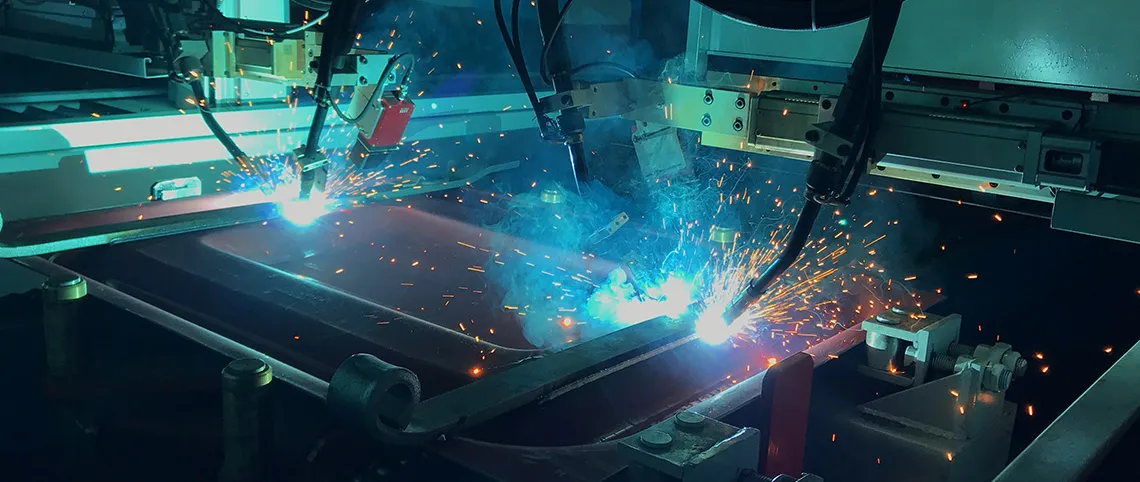
Welding Fabrication Services _ Precision Welding & Custom Fabrication
Understanding Welding and Fabrication A Comprehensive Overview Welding and fabrication are critical
 English